
Fitting a PFD with Zhik

Zhik understand that safety and performance are interlinked. Your Personal Flotation Device (PFD) is your lifeline. But to perform its life-saving role properly, it needs to fit perfectly. Here’s everything you need to know about selecting and fitting a PFD so you can stay safe while focusing on going fast.
How Should a PFD Fit?
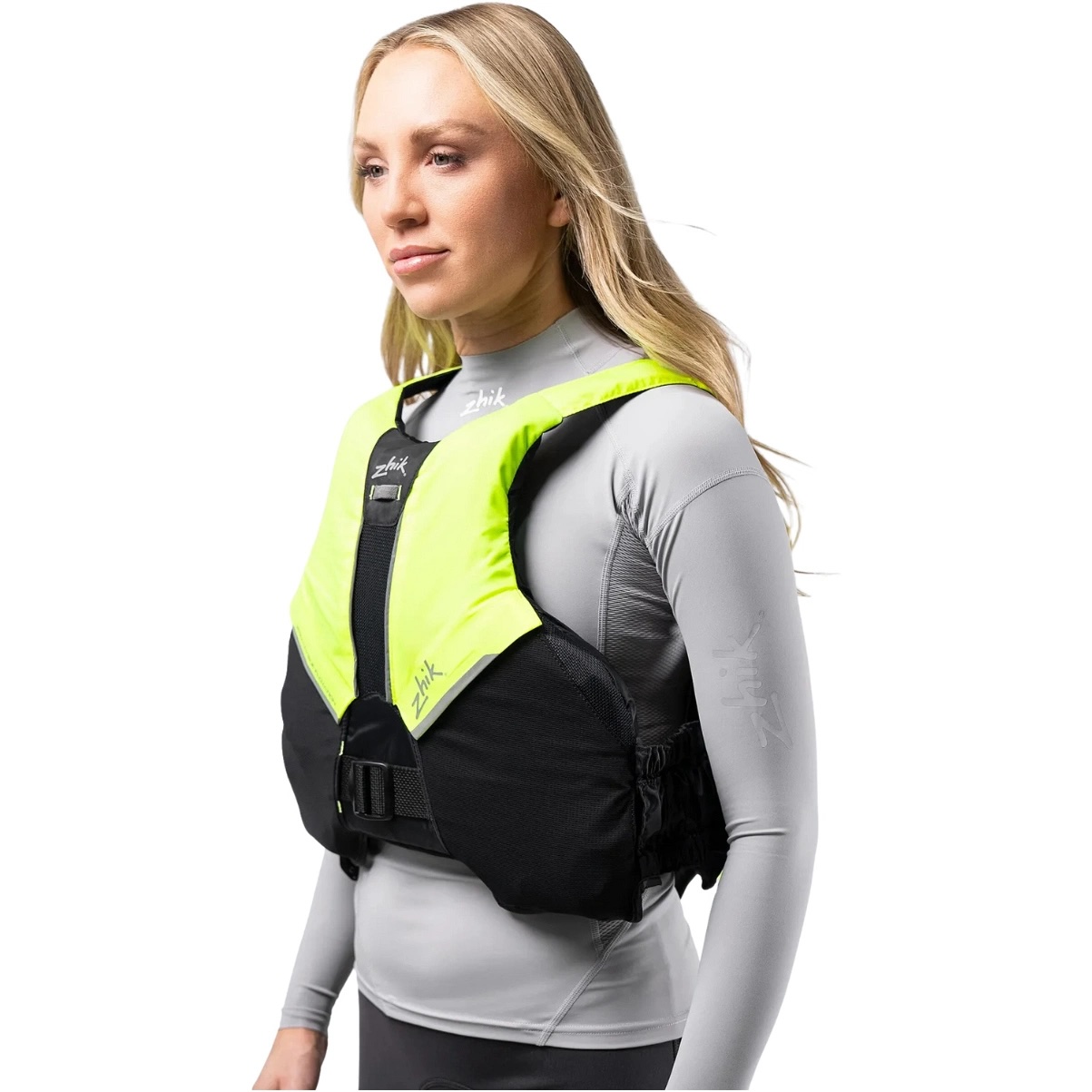
A properly fitted PFD should feel snug yet comfortable. It should not ride up when you move or restrict your movement in any way.
The fit should allow for freedom across your shoulders, chest, and arms, giving you the mobility needed for paddling, sailing, or high-impact water sports.
When adjusted correctly, your PFD should stay securely in place even during dynamic activities. Loose or improperly adjusted straps can cause the PFD to shift, slip, or even come off, compromising your safety.

Getting the size right.
The right size ensures the PFD works as intended. A PFD that is too loose might not keep you afloat properly, and one that’s too tight can feel restrictive, leading to discomfort or distraction.
You’re looking for a PFD that gives you:
Maximum Buoyancy - Ensuring the PFD keeps you afloat and stable in the water.
Uninterrupted Performance - A well-fitted PFD allows you to move naturally, whether you’re paddling, sailing, or kiteboarding.
Reliable Safety - In an emergency, your PFD could save your life.
How to find the right size:
- Measure Your Chest - Use a tape measure to determine the circumference of your chest at its widest point. Refer to the size chart to select the right size for your body.
- Try It On - Once you’ve chosen your size, put the PFD on and fasten all straps and buckles. Adjust them for a snug but comfortable fit.
- Perform a Pull Test - With the PFD securely fastened, have someone lift it at the shoulders. If it moves more than a few centimetres or slides over your chin or ears, it’s too loose. Tighten the straps and test again.
- Check Mobility - Move your arms in a paddling or rowing motion and twist your torso. Ensure there’s no chafing or restriction.
Different Types of Zhik PFDs
Zhik offers a range of PFDs designed for specific water sports and applications. Here’s a quick guide to help you choose the best one for you:
- P3 PFD - Ideal for general water sports, this PFD provides dependable buoyancy and comfort for a wide range of activities. It’s an excellent all-rounder.
- P2 PFD - A slimline, impact-padded design for high-performance water sports like sailing and kiteboarding. The streamlined fit ensures minimal drag and maximum mobility.
- Breathable PFDs - Perfect for paddling and longer sessions, these PFDs are tailored to allow unrestricted arm and upper body movement. They’re lightweight and breathable, making them ideal for endurance activities.
Caring for Your PFD
A well-maintained PFD is a reliable PFD. Follow these simple steps to keep yours in top condition:
- Rinse After Use - After every session, rinse your PFD with fresh water to remove salt and sand. This prevents material degradation and keeps it looking fresh.
- Dry Thoroughly - Always air-dry your PFD in a shaded, ventilated area. Avoid direct sunlight, which can weaken fabrics and fade colours.
- Inspect Regularly - Check for signs of wear and tear, such as frayed straps, damaged buckles, or compromised foam. If you spot any issues, replace your PFD immediately.
- Store Correctly - Store your PFD in a cool, dry place. Avoid leaving it compressed under heavy objects, as this can affect the foam’s buoyancy.
- Replace After Heavy Impact - If your PFD has been subjected to a high-impact event, such as a collision or fall, replace it even if it appears undamaged.

Zhik design PFDs with precision, comfort, and safety in mind, ensuring you can perform at your best with peace of mind. F
inding the right fit and caring for your PFD are critical steps to maximising its performance.
Whether you choose the versatile P3, the performance-driven P2, or a breathable option for endurance sports, Zhik’s PFDs are engineered to keep you safe without compromising on agility or comfort.
Stay safe, perform better, and enjoy the ride!