
This May, help us save lives at sea.

No one enters the water expecting to get into trouble but thousands of people will get into danger by the water this summer - ordinary people enjoying outings with loved ones. It could happen to you or someone dear, but your support ensures RNLI volunteers are equipped to rescue all. Whether by donation, street collection, car wash, bake sale, or tackling a Mayday Mile, your kindness could mean vital seconds that make a lifesaving difference.
Anyone can drown, no one should.
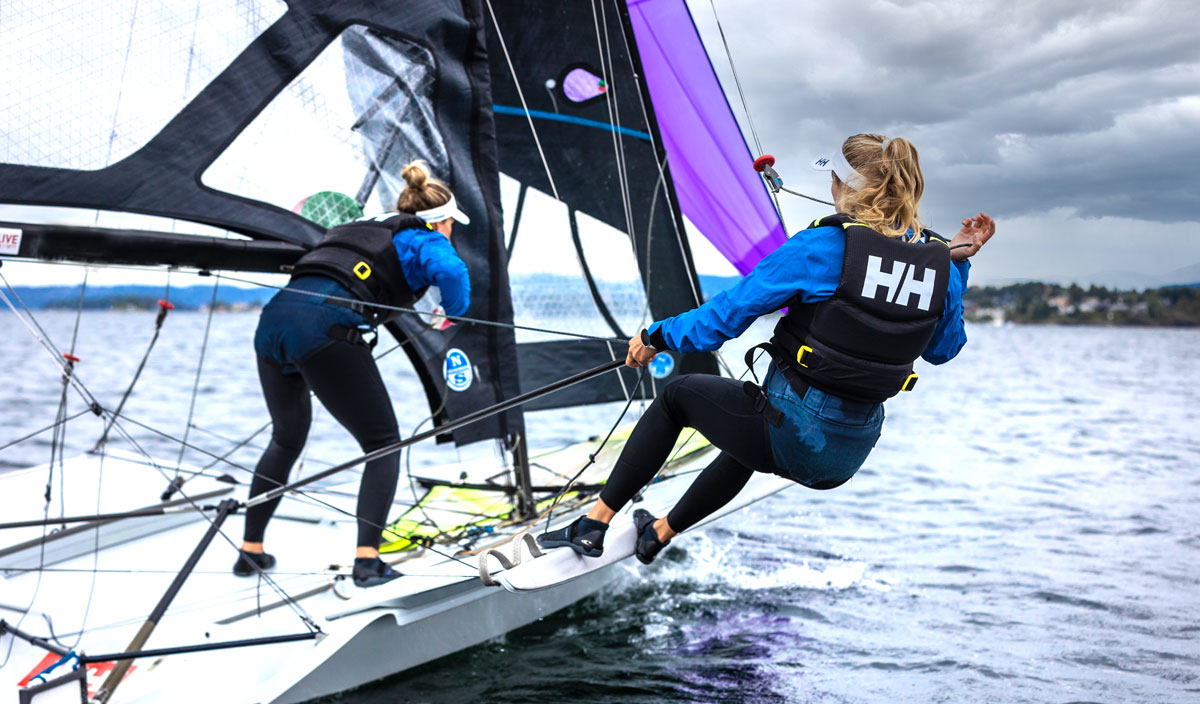
As summer approaches, water activities draws thousands, but with it comes the risk of danger. The RNLI and Helly Hansen (HH) join forces to ensure safety on the waves, providing essential information and equipment for water enthusiasts.
Dhingy sailing - Look out for a slimmer cut that allows freedom of movement around the boat. It should be high cut to allow bending and a trapeze harness. A dinghy jacket should have a smooth exterior to avoid getting caught on the rigging. As rescue is typically close at hand, a 50N buoyancy aid should suffice. Helly Hansen recommends the Rider Stealth Zip.
Offshore sailing - When you’re venturing farther from land, a higher Newton life jacket is necessary. Look for at least 100N. A deck harness is another important feature. Helly Hansen recommends the Sailsafe Inflatable Race for serious offshore sailors.
Kayaking and canoeing - Look for life jackets or buoyancy aids that are cut away around the shoulders and the arms. You need to maintain mobility for paddling and swimming. Ensure that the life jacket has a belt or a drawstring to pull tight around the chest. Bright colours that are easy to spot are also important.
If you find yourself unexpectedly struggling in the water, your natural instinct may urge you to swim vigorously. However, the shock of cold water could cause you to gasp uncontrollably, leading to the risk of inhaling water and drowning. Instead, it's crucial to remember the "Float to Live" principle.
5 steps to float
The RNLI have been running their ‘float to live’ campaign for a few years now, outlining five essential steps for survival in water emergencies:
- Tilt your head back with ears submerged
- Relax and try to breathe normally
- Move your hands to help you stay afloat
- It's OK if your legs sink we all float differently
- Spread your arms and legs to improve stability
This simple yet effective protocol applies to shallow waters, rivers, lakes, and beyond.

Remember it. Share it.

-
Shop Helly Hansen’s full range
Read our recent interviews with RNLI Crew Members
Find out more on the RNLI website